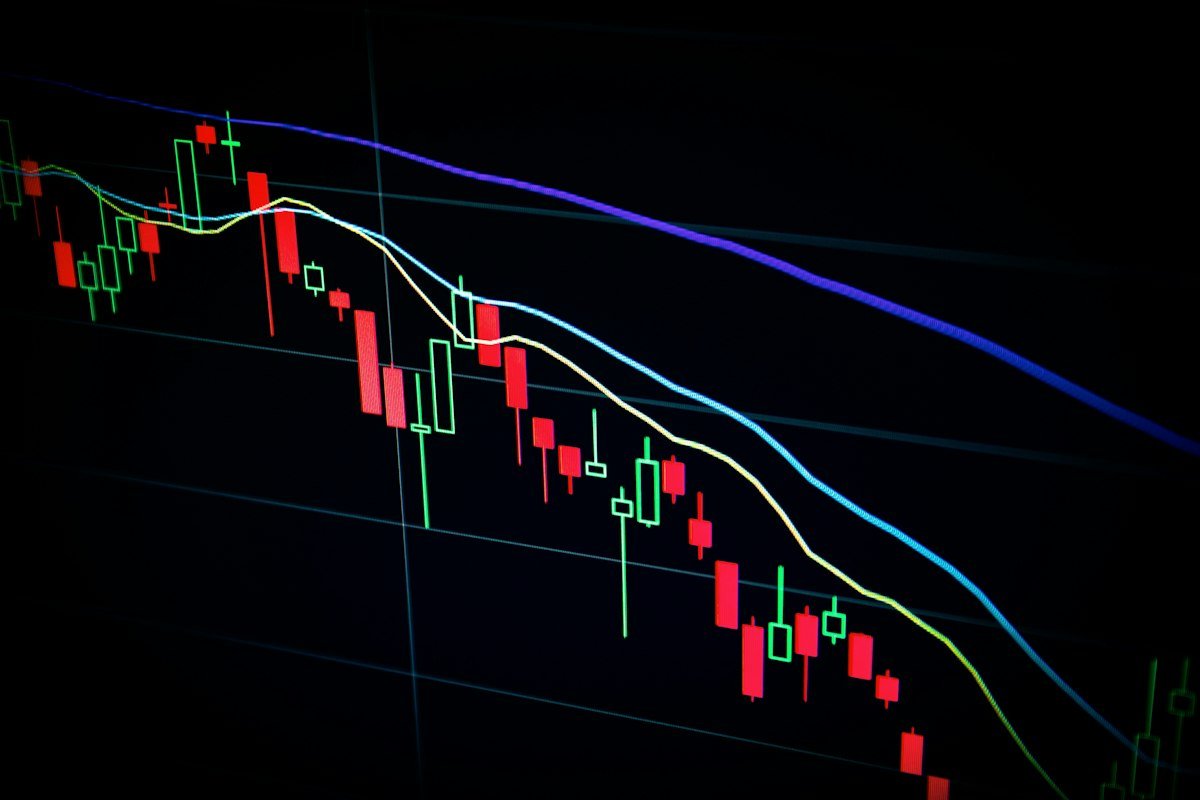
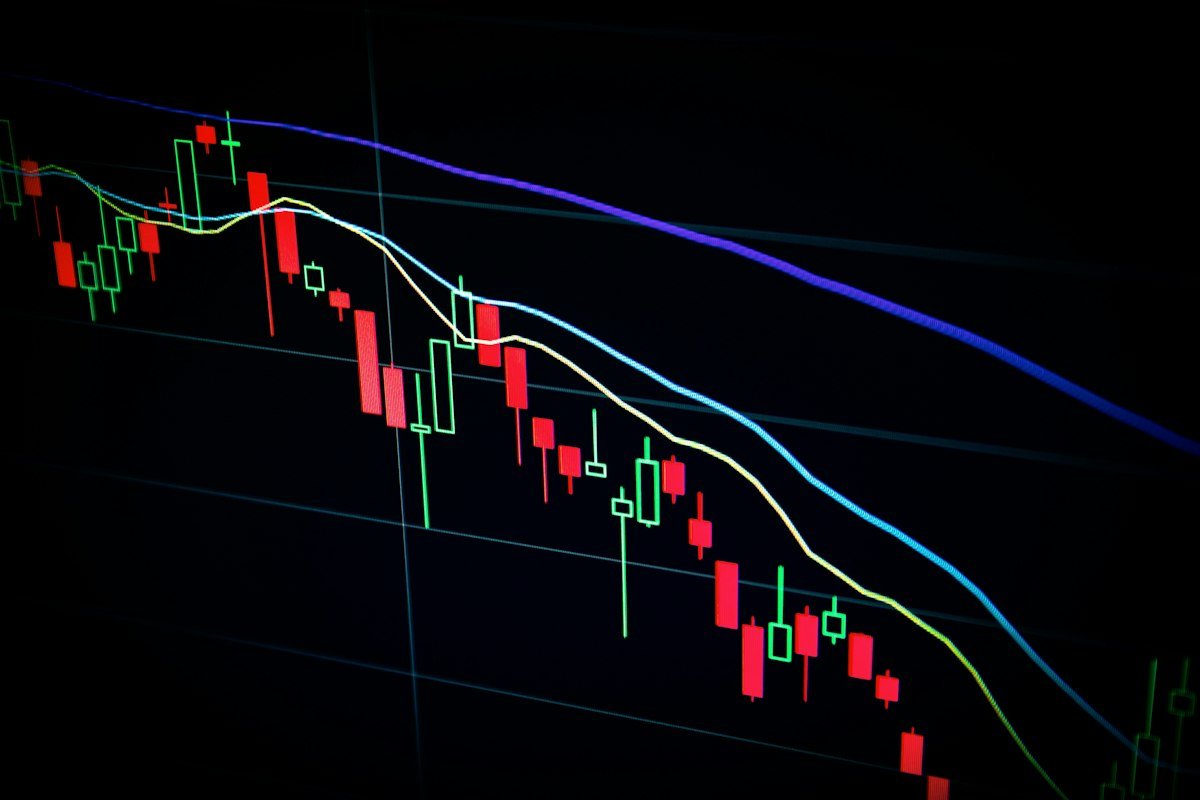
When evaluating IPO GMP, Indian retail investors need a clear, factual understanding of how it affects their stock market portfolio and potential returns.
Table of Contents

When evaluating IPO GMP, Indian retail investors need a clear, factual understanding of how it affects their stock market portfolio and potential returns.
Understanding IPO GMP is essential for every Indian retail investor navigating the stock market today.
Introduction: Understanding IPOs and the Buzz Around Them
Imagine a company that has been growing well, and now it wants to raise money from the public for the first time. This process is called an Initial Public Offering, or IPO. When a company launches an IPO, it offers its shares to the public, allowing everyday investors like you to buy a piece of it. IPOs often create a lot of excitement in the stock market, with many investors hoping to make quick profits when the shares list on the stock exchange.
In India, before an IPO officially lists, you might hear a lot of talk about something called “Grey Market Premium” or GMP. It’s a term that often comes up in discussions about potential listing gains. But what exactly is GMP, and how much weight should you give it when making your investment decisions?
What is Grey Market Premium (GMP)?
The Grey Market Premium (GMP) is an unofficial price at which shares of a company, which is yet to be listed, are traded in the ‘grey market’. Think of the grey market as an informal, unregulated market where people buy and sell IPO shares even before they are officially available on the stock exchange. It’s not a formal exchange like the NSE or BSE, and there are no official rules or regulations governing these trades.
Essentially, GMP reflects the demand and supply for an upcoming IPO in this unofficial market. If there’s high demand for a particular IPO, its GMP might be positive, suggesting it could list at a price higher than its issue price. Conversely, if demand is low, the GMP might be negative or zero.
How is GMP Calculated (Unofficially)?
GMP isn’t calculated using a fixed formula or official data. Instead, it’s a reflection of market sentiment and expectations among a small group of unofficial traders. Factors that can influence GMP include:
- The overall mood of the stock market (bullish or bearish).
- The level of interest and subscription numbers for the IPO.
- The company’s reputation and business prospects.
- Word-of-mouth and speculation among traders.
It’s crucial to understand that GMP is not based on the company’s actual financial health or future performance. It’s purely a speculative indicator of what some people are willing to pay for the shares before they even list.
The Allure of High GMP: Why Investors Get Hooked
A high GMP often creates a buzz, leading many investors to believe that the IPO is a guaranteed winner. The thought of buying shares at, say, ₹100 and seeing them list at ₹150 (a ₹50 premium) is very appealing. This perception of “easy money” can lead investors, especially beginners, to apply for IPOs solely based on a high GMP, without looking deeper into the company itself. It feeds into the fear of missing out (FOMO) on potential quick gains.
The Big Question: Is IPO GMP 100% Reliable?
The straightforward answer is a resounding NO. IPO GMP is absolutely not 100% reliable. While it can sometimes give an indication of market sentiment, it is far from a foolproof predictor of an IPO’s listing performance or its long-term success.
Many investors have learned this the hard way. An IPO with a high GMP might still list at a discount or just a small premium, and vice-versa. The grey market is driven by speculation and often lacks transparency, making it a risky basis for investment decisions.
Key Risks of Depending Only on GMP
Relying solely on GMP for your IPO investment decisions can expose you to several significant risks:
- Unregulated Market: The grey market operates outside the purview of SEBI (Securities and Exchange Board of India). This means there are no legal protections for investors, and no official recourse if things go wrong.
- Speculation, Not Fundamentals: GMP is driven by speculative demand, not by the company’s actual financial strength, business model, management quality, or industry outlook. A company with weak fundamentals but high hype might show a high GMP, only to disappoint post-listing.
- High Volatility: GMP can change rapidly, sometimes even hourly, based on news, rumors, or shifts in market sentiment. What looks like a strong premium today might vanish tomorrow.
- Potential for Manipulation: Since the grey market is unregulated, there’s a risk of artificial inflation or deflation of GMP to create a false sense of demand or lack thereof.
- Misleading Information: Information circulating in the grey market is often based on rumors rather than verified facts, leading to misinformed decisions.
- Loss of Capital: A high GMP does not guarantee listing gains. Many IPOs with strong GMPs have listed below their issue price, leading to immediate losses for investors who applied based on GMP alone.
GMP vs. Fundamental Analysis: A Comparison
To highlight why GMP is not a reliable indicator, let’s compare it with a more robust approach: Fundamental Analysis.
| Feature | Grey Market Premium (GMP) | Fundamental Analysis |
|---|---|---|
| Nature | Unofficial, speculative, based on rumors | Official, data-driven, based on facts |
| Basis | Market sentiment, unofficial demand/supply | Company financials (revenue, profit, debt), business model, management quality, industry outlook, valuation |
| Reliability | Low, highly volatile, prone to manipulation | Higher, provides a long-term view of value |
| Purpose | Short-term listing gain indicator (often misleading) | Informed long-term investment decision |
| Regulation | None | SEBI-regulated disclosures (DRHP, RHP) |
Practical Advice for Indian Retail Investors
As a beginner investor in the Indian stock market, here’s how you should approach IPOs:
- Do Your Homework: Before applying for any IPO, thoroughly research the company. Understand its business model, how it makes money, its financial performance (revenue, profits, debt), its management team, and the industry it operates in. All this information is available in the company’s Red Herring Prospectus (RHP) filed with SEBI.
- Don’t Chase Hype: Avoid getting swayed by market buzz, social media trends, or high GMP figures. Focus on the intrinsic value and growth potential of the company.
- Look Beyond Listing Gains: While listing gains are attractive, a good investment is one that performs well over the long term. Evaluate if the company is a good fit for your long-term portfolio.
- Understand Valuation: Compare the IPO price with the company’s earnings and industry peers. Is the company asking for a fair price, or is it overvalued?
- Diversify Your Investments: Don’t put all your investment capital into a single IPO. Diversification helps manage risk.
- Consult an Expert: If you’re unsure or need help understanding complex financial documents, don’t hesitate to consult a SEBI-registered financial advisor.
Key Takeaways
- IPO Grey Market Premium (GMP) is an unofficial, unregulated, and speculative indicator.
- It reflects market sentiment and demand in an informal market, not the company’s fundamental strength.
- Relying solely on GMP for IPO investment decisions is highly risky and can lead to significant losses.
- Always prioritize thorough fundamental analysis of the company’s business, financials, and management.
- Invest for value and long-term potential, rather than chasing short-term listing gains based on hype.
Frequently Asked Questions (FAQ)
Q1: Can GMP predict the exact listing price of an IPO?
A: No, GMP is merely an unofficial estimate based on speculative trading. It cannot predict the exact listing price, which is determined by official demand and supply on the stock exchange on the listing day.
Q2: Is it illegal to trade shares in the grey market?
A: The grey market is unregulated and unofficial, meaning it operates outside the legal framework of SEBI. While trading in it isn’t explicitly illegal, it offers no legal protection or recourse for investors, making it very risky.
Q3: Should I ignore GMP completely when considering an IPO?
A: You can be *aware* of the GMP as a general indicator of market sentiment, but you should never *rely* on it as the primary or sole factor for your investment decision. Your focus should always be on the company’s fundamentals.
Q4: What are the most important factors to check before applying for an IPO?
A: The most important factors include the company’s business model, its financial health (revenue, profit, debt), the quality and experience of its management team, the industry’s growth prospects, and the IPO valuation (is the price fair?).
Disclaimer: This article is for educational purposes only and not financial advice. Please consult a SEBI-registered financial advisor before investing.
Helpful Guides & Authoritative Sources:
-
Check out our latest IPO & GMP Analysis guides to track current market premiums.
-
Always verify official price band disclosures directly on the Bombay Stock Exchange (BSE) portal.